












Optimize your label automation
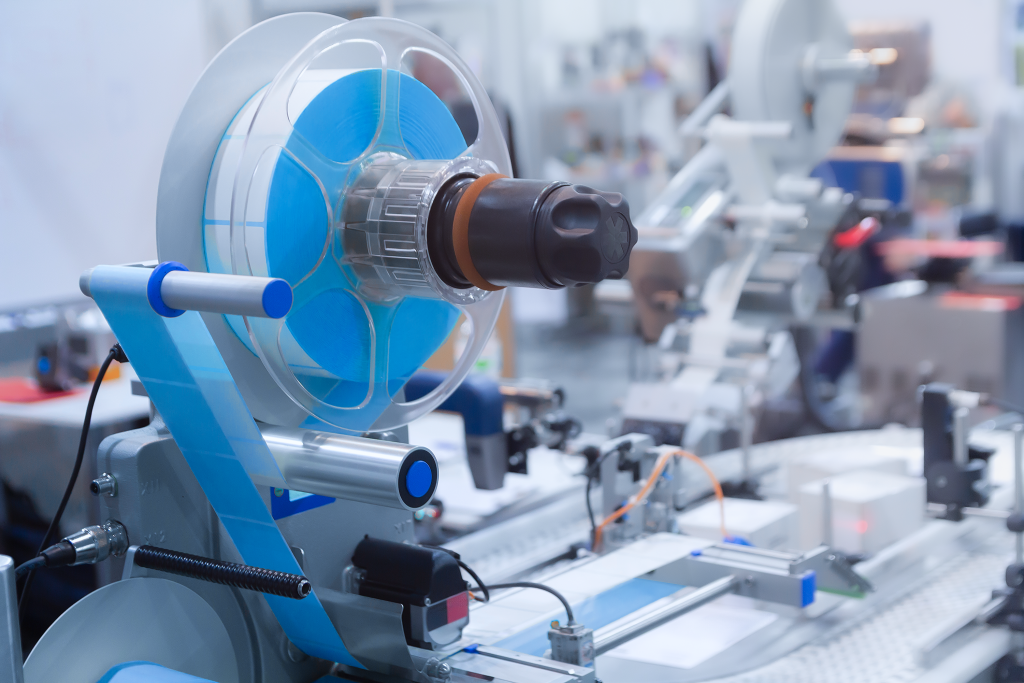
Tired of standard options failing for label automation? Sick of downtime, missed labels, and jams? CleanMark optimizes for your unique processes and equipment to reduce downtime and waste.
Upgrade to custom labels
- Give us some initial information
- Talk to a label expert
- Review and test your custom label
- Production and shipping
Why standard labels fail
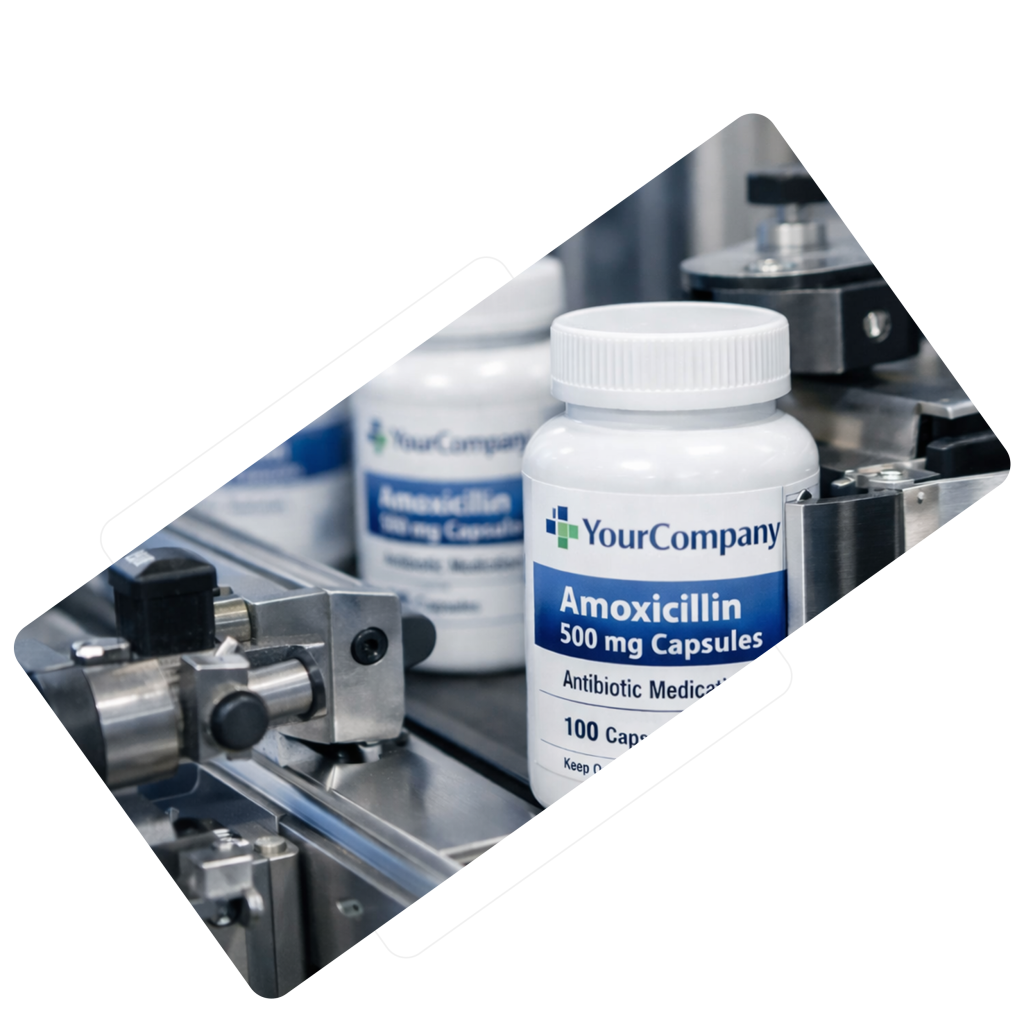
Standard labels are designed for manual application. When put into automation, their adhesives, liners, and materials can cause jams, misfeeds, tears, and skipped labels, all of which cost you time, money, and reputation.
Label automation success depends on precise engineering
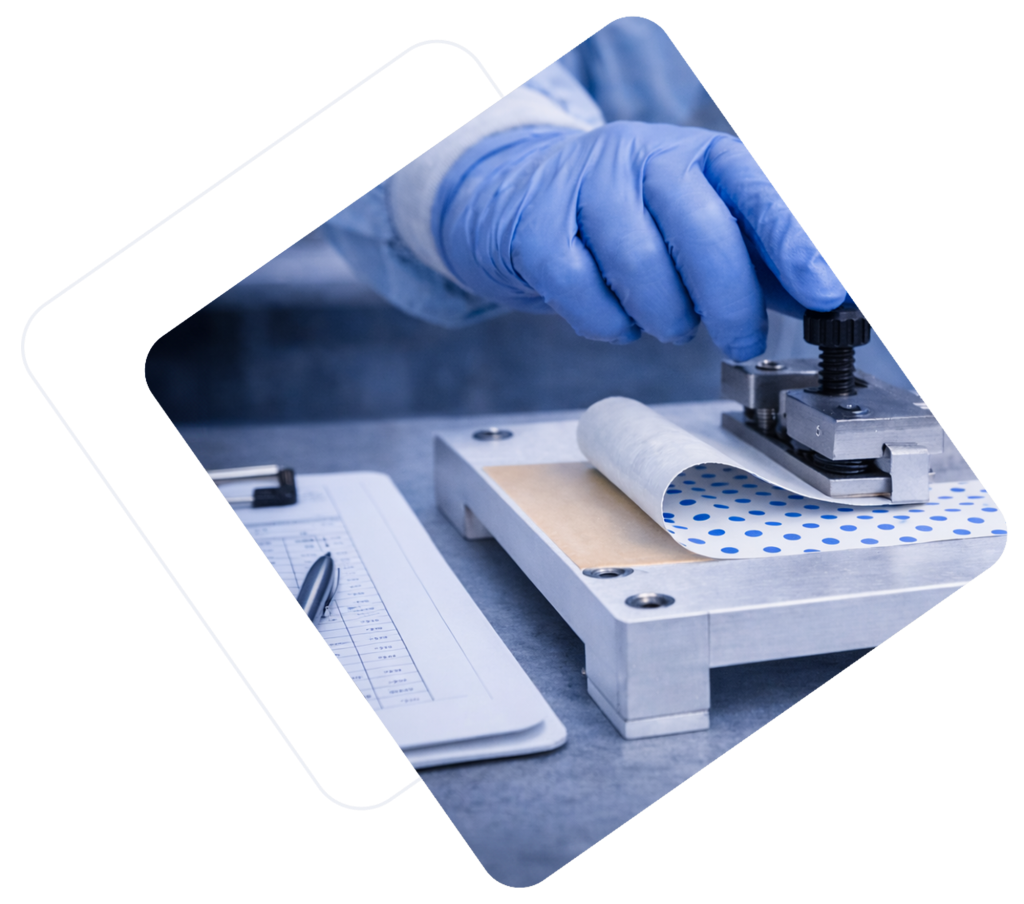
True automation success can only be achieved when every aspect of your label is engineered specifically for your environment and processes. CleanMark’s technical services team has deep, experiential knowledge of label automation and machines. We work with you to consider — and test — your labels so you know they’ll perform well from day one.
- Adhesive performance
- Liner construction
- Line speed
- Film selection
- Roll construction
Adhesive performance
Automated labels have to do more than simply stick. They need to release when and as intended, adhere immediately to your target surface, and stay adhered throughout any environmental stressors. That’s a tall order, and our label designers are up to the job!
Release
In automated applications, release force matters. Too much means snap-back; too little can cause tracking. When it’s just right, you get reliable performance.
Adhesion
We have permanent, removable, and repositionable adhesive options, all compatible with label automation.
Flow
Proper adhesive flow allows automated labels to adhere reliably, even with soft air applications.
Durability
Technical adhesives ensure your labels stay reliably adhered through chemical exposure, extreme temps, UV, moisture, or abrasion during production and after.
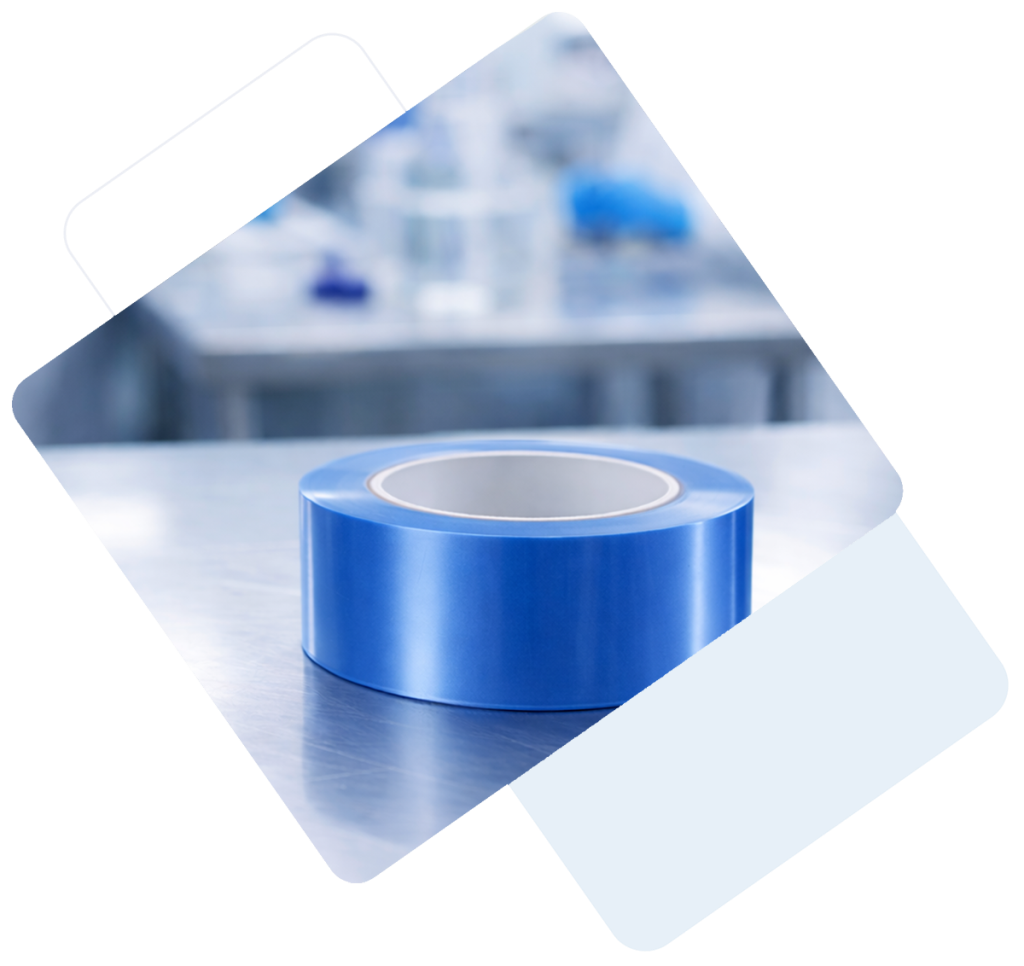
Liner construction
Your liner shouldn’t be an afterthought. It’s a key structural label component that can make or break your automation. We consider every detail to keep your label automation running smoothly.
Slipping
Liner with sufficient texture prevents slipping that could cause misapplications and downtime.
Stiffness
Stiffness affects how labels release and when. Understanding the equation means better performance.
Material
From contamination restrictions to safety colors, we choose the right material for your liner.
Flex
Liner needs to flex, maintain tension, not break, and still be stiff enough to provide consistency.
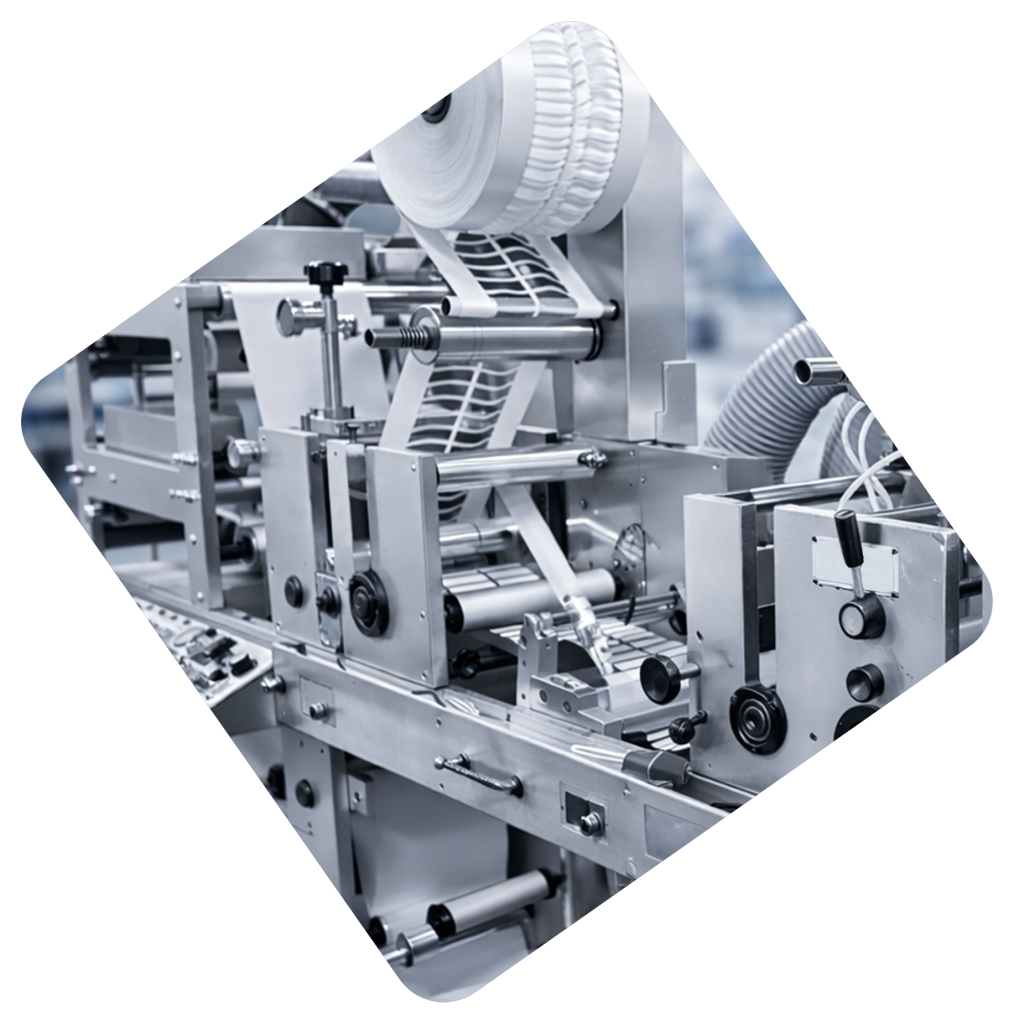
Film selection
High speed automation often requires high-speed, quick-drying print processes in addition to the other production and use requirements that factor into your label film.
Smearing
For fast print then apply automation, a film that absorbs ink well and dries quickly is essential.
Scannability
Automated environments often include tracking scans. Films that keep bar and QR codes crips prevent mistakes.
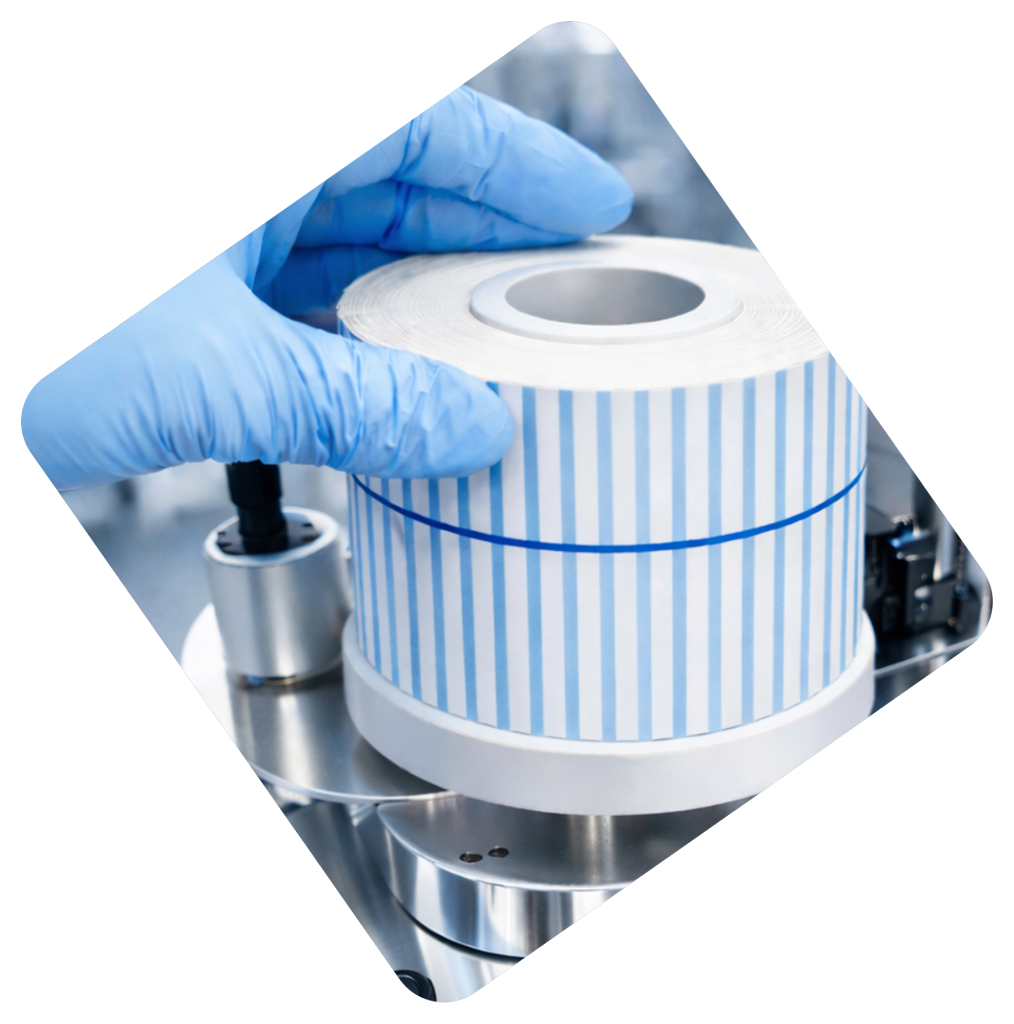
Roll construction
Each label automation set-up has its own unique requirements around roll diameter and width, core size and material, spacing between labels, margins, and more. Our tech team works with you to optimize how your labels are laid out and rolled so your processes flow smoothly.
Line speed
The faster your line speed, the narrower your release window becomes. Our team is experienced with high-speed label automation. They’ll choose the materials and adhesive that ensure you hit your target.
Adhesive
At high speeds, wet-out timing becomes more sensitive.
Liner
Stiffness and flatness affect performance more as line pace increases.
Die cut
Precision is essential when small irregularities can cause stoppage.
Skip the label automation mistakes and go straight to success
We’ve been helping innovative companies optimize their automated labeling processes for a long time. We know what doesn’t work. And what does!

Ask the experts early
Our technical services team can guide you through applicator options, process pitfalls, and label materials so you don’t have to recover from any early mistakes.

Evaluate your labels and applicator together
Label automation works best when label construction and the application process and equipment are designed to work together.

Test under real conditions
You need your label automation to work in real life. So test it under real conditions. Then you know you can rely on your system during production.
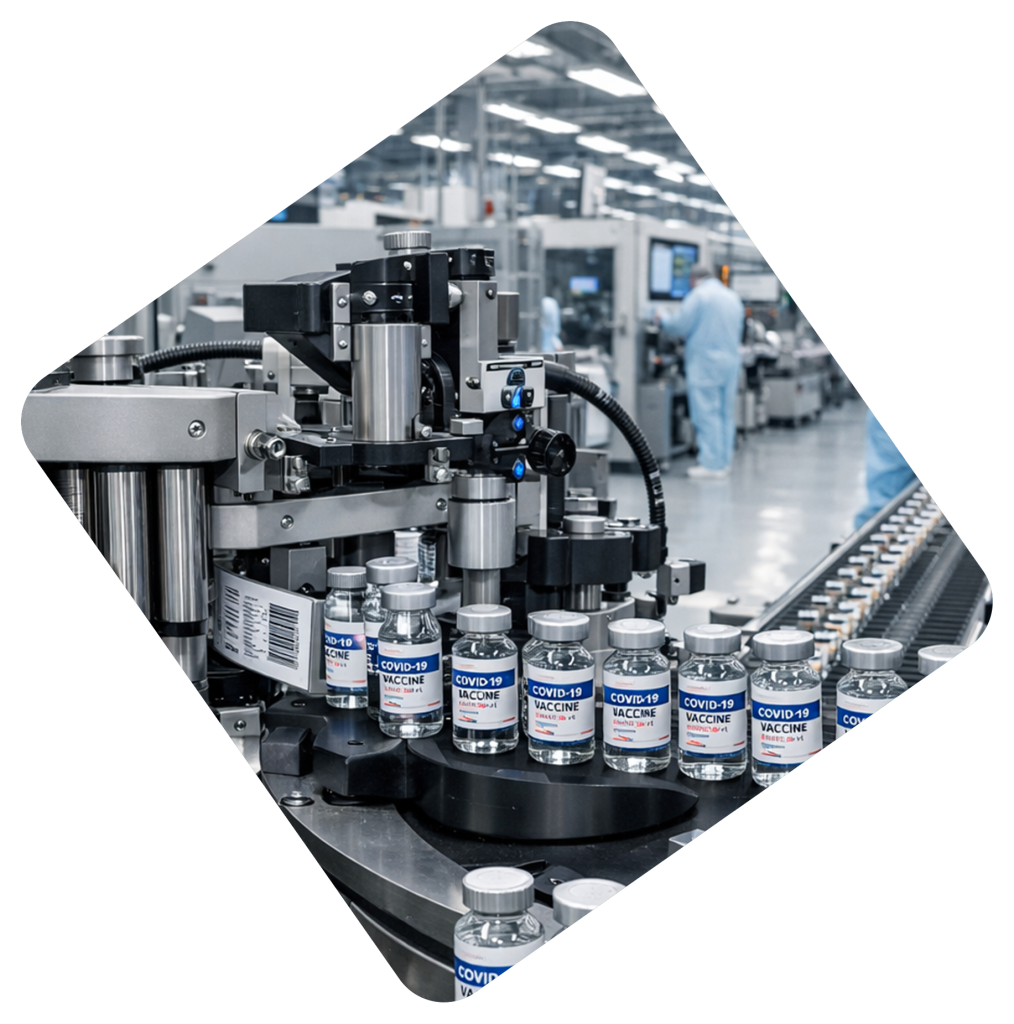
Give your label automation a tune-up with CleanMark

Join the list of innovative companies partnering with CleanMark
Looking for more details on label automation? Here they are!
Read on for answer to our most common label automation questions.
Stay up to date on labeling advances in your industry
From white papers to industry surveys and ebooks, we’ll make sure you’re informed about the latest technology that can make your operations more efficient and less stressful.

