











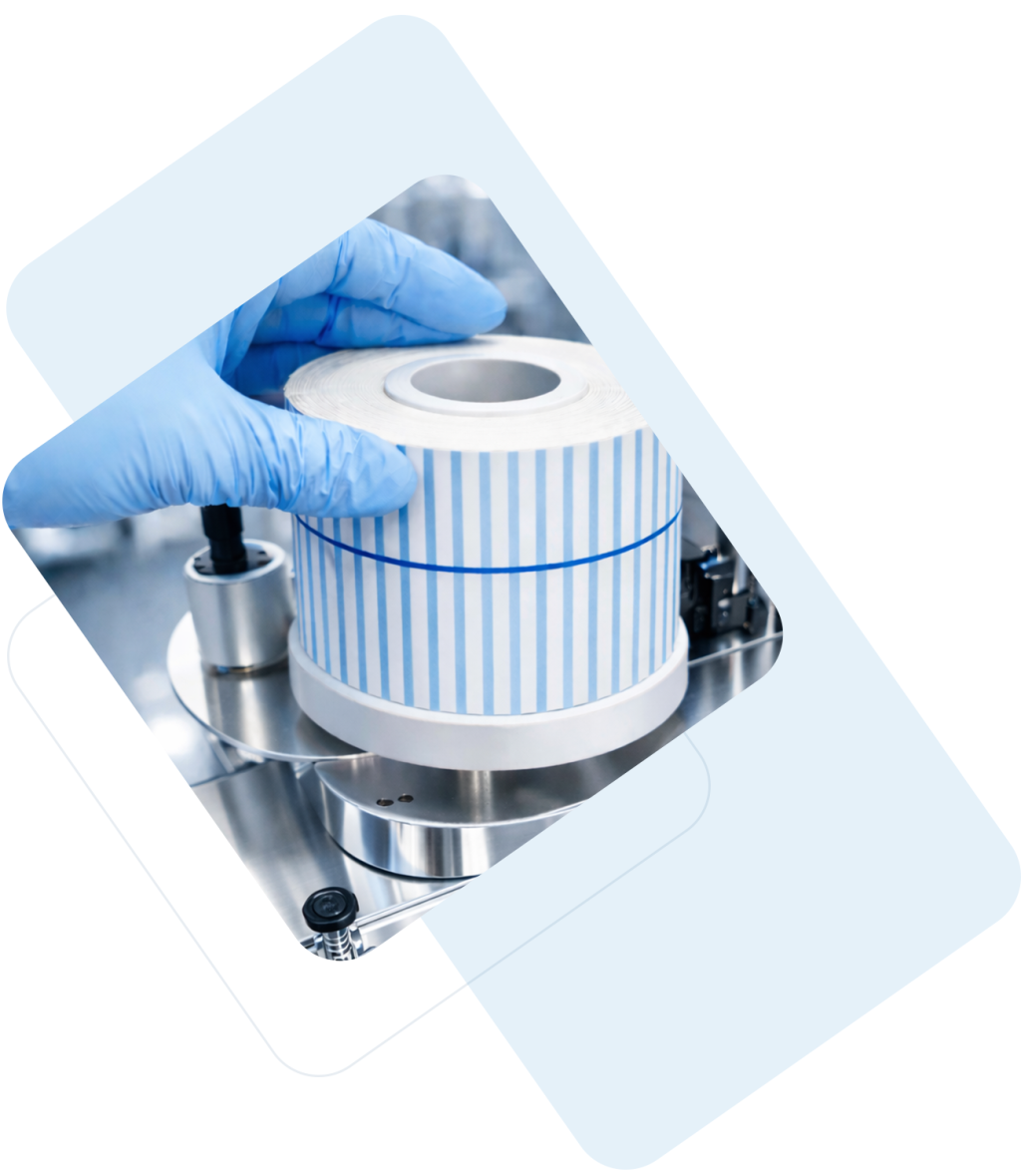
Why your automated label applicator and labels should be designed together
Key takeaways:
- A key mistake when automating is failing to look at your automated label applicator and labels as two parts of a whole.
- If you don’t address your automated label applicator and labels at the same time, you risk false label success, poor adhesive performance, and mechanics mismatch.
- Standard labels provided by applicator manufacturers focus on point-of-application success, not long term optimization and reliability.
- Including a label expert in the conversation early helps speed implementation, reduce risk, and optimize performance.
- Whether you’re just starting to consider an automated label applicator or have already implemented an automated process, CleanMark can help optimize your labeling solution.
Labels are a key component of your automated label applicator
Deciding to integrate an automated label applicator into your production process is a big decision. Done right, it can skyrocket your efficiency and revenue. But, over the years, we’ve seen some common mistakes that turn what should be in improvement into a costly mistake. The top misstep? Failing to look at your automated label applicator and labels as two parts of a whole.
#1 mistake: early focus solely on the automated label applicator
In many automation projects, we see early focus being placed almost entirely on the equipment. Components like applicator platforms, automation vendors, line layouts, and target speeds are the main topic of conversation.
We understand how this happens. Equipment decisions feel foundational.
But what’s often overlooked is that label behavior and equipment behavior are inseparable once the line is running. When labels are treated as a downstream input (something to fit into an already-defined system) small mismatches can surface later as intermittent failures, speed limitations, or validation complications.
What goes wrong when you separate label decisions from automated label applicator selection
We’re all familiar with how wrong things can go if you don’t choose the right external components to feed into your machine. Everyone knows not to put diesel in a car, for example, unless you want a dead engine.
Putting the wrong label into your automated label applicator might not immediately blow the machine up, but the negative consequences are just as severe (and sometimes not visible until far down the production line when they’re more costly).
Automated label applicator registers false success
Automated label applicators often detect success only by confirming the label is no longer present after contact. But there’s a lot that can go wrong even if the label leaves the liner.
- Improper adhesive bonding
- Inadequate pressure
- Failure to adhere long term
- Loss of edge integrity
Application method doesn’t match desired adhesive performance
Particularly in high-precision, technical manufacturing environments, labels must adhere to challenging surfaces in extreme environments for an exact period of time, and often need to be removed without residue.
Even if a label initially sticks (and thus registers as success by the automated label applicator), it may not stay stuck in the conditions that follow. Some of the common failures we see:
- High initial tack but low ultimate bond strength
- Insufficient pressure tolerance for low-surface-energy materials
- Adhesives that require more dwell time than the applicator provides
The automated label applicator can’t “see” these mistakes, so they go undetected until they cause problems farther down the line.
Mismatch between label construction and applicator mechanics
Automated label applicators can only do their job when labels fit into extremely specific parameters. Your machine might run perfectly with the sample labels provided by the applicator manufacturer, but then when you run the labels that are actually appropriate for your processes, the applicator fails.
One common factor that comes into play is stiffness/flexibility. If your tamp pads, wipe mechanisms, or peel bars, aren’t calibrated correctly for the label you need to use, problems arise:
- Inconsistent placement
- Poor release from the liner
- Labels stick to applicator components instead of product
What about the labels provided by my automated label applicator manufacturer?
Many automated label applicator manufacturers provide standard labels along with their machines. At first glance, this seems like an easy solution. After all, wouldn’t they know best which labels work with their machines? Yes, but …
Automated label applicator manufacturers are focused on designing labels that make their machines look good. You need labels that work well with your automated label applicator AND perform optimally and reliably throughout your unique processes, no matter how challenging.
| Focus of label applicator manufacturers | Blind spots |
| Speed | Adhesive chemistry |
| Sensors | Liner behavior |
| Physical interaction with parts | Die-cut precision |
| Immediate labeling “success” | Lifecycle durability |
| Cleanroom compatibility | |
| Sterility | |
| Sterilization indicators | |
| Printer compatibility | |
| Long-term label reliability and performance |
What success comes down to is getting the right people into the conversation: experts in applicator machines and experts in label construction. The earlier in the process the better!
Why getting the right people in the room early matters
Proactively getting the right people in the room makes a huge difference in the ultimate performance of your automated label applicator and how fast you’re up and running.
Why? Because it reduces the need for redesign and rework.
When you bring a label expert, like CleanMark, in to collaborate with your internal team and any automated label applicator suppliers you’re considering, it heads off problems before they occur.
Speed implementation
Often, companies limit who’s in the design conversation out of a desire to speed the process. But actually, having the wrong people in the room slows the process down because it increases the need for later trial and error.
If you involve your label provider up front, you can
- Match labels to applicator mechanics
- Align labels to sensor requirements
- Increase reliability at full line speed
- Reduce rework from post-installation problems
- Ensure full-process label durability
Reduce risk
Label failure brings a number of risks, from compliance failure to line downtime and even patient harm, all of which carry financial consequences for your company.
When your label and applicator experts work together to optimize your automation system, you reduce
- Line-down events and rework
- Label misapplication
- Recalls
- Regulatory fines
- Legal liability
Optimize performance
An experienced label provider understands how to optimize labels for a broad variety of automated label applicators and how to ensure exceptional performance after initial application, from legibility to chemical resistance to shipping abrasion durability.
- Reliable adhesion
- Precise application
- Environmental durability
- Cleanroom and/or aseptic compatibility
- Printer compatibility
- Residue-free removal
- High-resolution tracking elements
The automated label applicator + label design process in real life
Understanding conceptually why it’s important to approach automated label applicator design with labels in mind is one thing, but the impact isn’t really clear until you see a real-world scenario.
Context
A medical device manufacturer wants to apply labels automatically post-sterilization to minimize human intervention while maintaining consistent placement and performance.
Challenge
At the point of label application, the devices may retain residual heat, steam, moisture, or cleaning liquids from the autoclave process that can cause poor adhesion or edge lifting, and direct contact between applicator components and the product may introduce contamination or particulate concerns in a controlled environment.
Solution
By evaluating both label and application needs early on, the optimal combination of adhesive, liner construction, die-cut parameters, and automated application method can be chosen. Adhesives can be selected to wet out in the presence of moisture and push water toward the edges of the label while still forming a bond. At the same time, the applicator can be selected or configured to minimize contact, reduce particulate risk, and operate within environmental constraints, while the label is designed to release cleanly from the liner and transfer consistently under the available pressure and timing conditions.
Results
With the label and applicator designed together from the outset, the automated labeling process functions as a single integrated system. Labels release predictably from the liner, transfer reliably through the applicator, and bond effectively to the product despite residual heat, moisture, and environmental constraints. The risk of line downtime, inconsistent application, and post-application label failure is reduced, and performance is optimized without relying on extensive trial-and-error adjustments after installation. And, early involvement of a label expert ensures that critical variables the machine cannot detect (such as adhesive performance, liner behavior, and environmental interaction) are addressed before they become production or quality issues.
Where to go from here
Even if you’ve already started the conversation with an automated label applicator supplier, it’s not too late to get a label expert in the room as well! Depending on where you are in the process, here’s how CleanMark can help.
Considering adding an automated label applicator to your process
This is the ideal time to involve CleanMark’s team of label experts. We can discuss key labeling factors like length of adhesion, durability, and cleanroom compatibility that will influence which automated label applicator is right for you, then support you as you choose your machine and build your label automation process.
Already in talks with an automated label applicator provider
If you’ve already identified an automated label applicator that’s appealing to you, bringing CleanMark into the conversation will help you understand if that particular machine will allow you to meet all of your labeling goals. And, when you finalize your decision, we’ll be ready to work directly with the applicator manufacturer to optimize custom labels for their equipment.
Just purchased an automated label applicator
While we recommend bringing us in earlier than this if possible, we’re also great at evaluating the equipment you’ve purchased and custom designing your labels for optimal performance at application and beyond.
Automated label applicator isn’t performing as well as hoped
It’s never too late to optimize our label performance. If you’re experiencing inconsistent performance from your automated label applicator or label failure down the line, we can work with you to do a full label review. We’ll evaluate options for better aligning your labels with your existing equipment and for label constructions that will meet your downstream goals.
Ready to get started? Our experienced team members are passionate about optimizing your automated labeling solution. Schedule a consultation here.
Looking for more detailed information?
Explore case studies, articles, guides and more in our extensive library of labeling resources.

The automation label: materials and construction matter
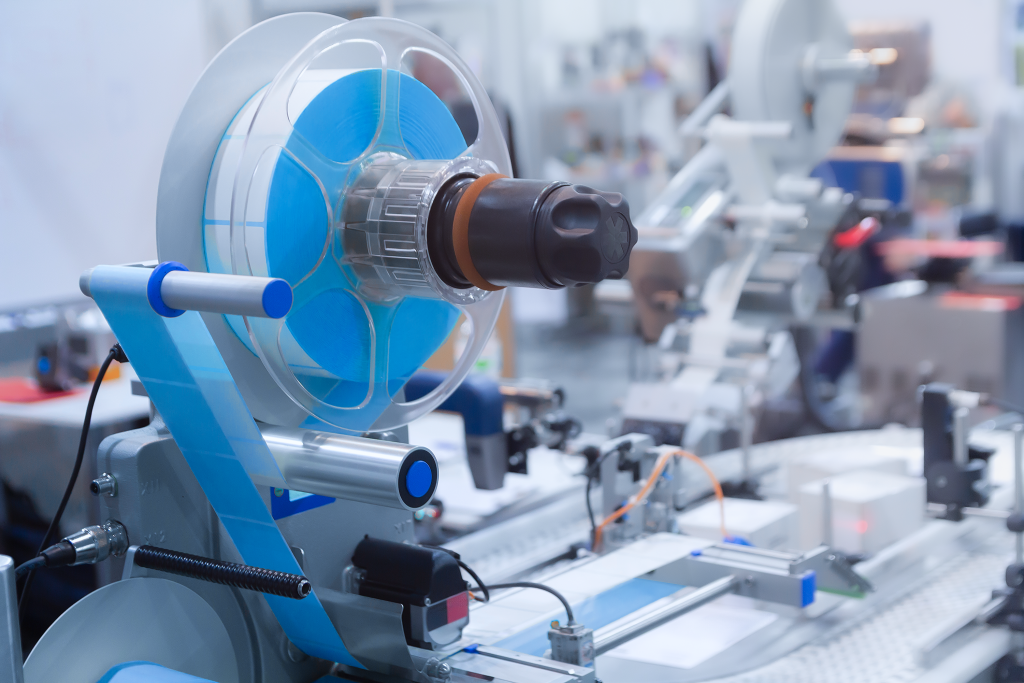
How automated labeling changes your label needs
Harness the power of the CleanMark LabelBuilder
Stay up to date on labeling advances in your industry
From white papers to industry surveys and ebooks, we’ll make sure you’re informed about the latest technology that can make your operations more efficient and less stressful.


