Repeated wiping
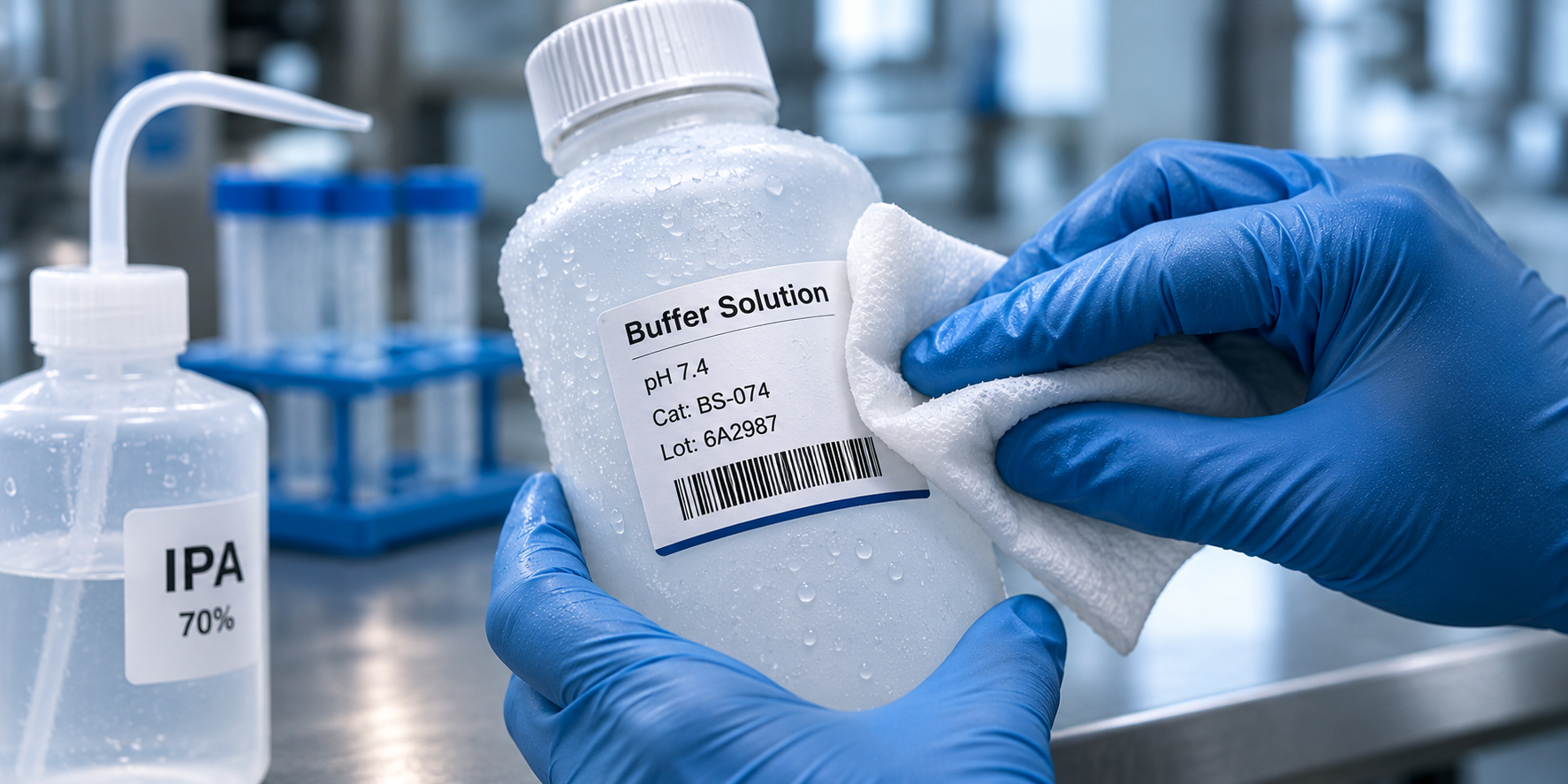
Frequent IPA or disinfectant wipe-downs combine chemical exposure with friction that can wear printed information.




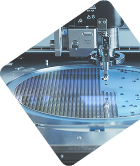




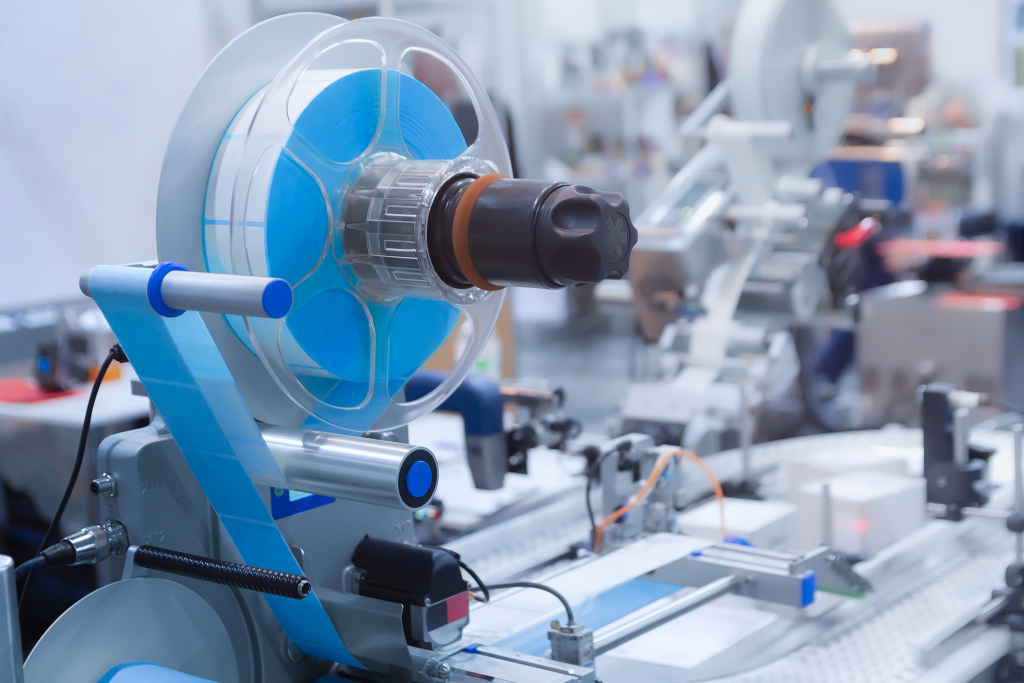
When solvents, disinfectants, oils, or repeated cleaning are part of your process, your labels still need to stay attached and readable. We help identify and evaluate a construction around the chemicals, surfaces, printing, and handling that matter to your operation.
Get a label recommendation Reply within one business day
The chemical is only the starting point. Concentration, contact time, rubbing, temperature, and the sequence of exposures all influence whether identification remains usable.
Frequent IPA or disinfectant wipe-downs combine chemical exposure with friction that can wear printed information.
Brief splashes and chemicals left to dry place different demands on the printed label and its edges.
Prolonged contact can affect the facestock, print protection, and adhesive bond.
A label may face cleaning, rinsing, heat, and handling in sequence. Each stage needs to be considered.
A label can stay attached while the lot number or barcode becomes unreadable after exposure.
A label wiped repeatedly with a solvent has different requirements from one briefly splashed or submerged. Start with the exposure pattern you know.
Share the cleaner, concentration, wipe material, frequency, and how soon cleaning begins after labeling.
Consider whether the chemical is rinsed, evaporates, or remains on the surface, and for how long.
Include bath temperature, duration, rinse steps, and any other exposures that follow.
The same resistance claim can mean different things in a laboratory, semiconductor facility, or industrial plant.
Sample identification, disinfectant wipe-downs, IPA cleaning, and controlled-environment handling.
Carriers, process containers, and equipment exposed to cleaning agents and process chemicals.
Parts, assets, and containers exposed to oils, fuels, degreasers, solvents, and abrasion.
The label must do more than tolerate a chemical. It needs to stay on your surface, preserve the information you rely on, work with your equipment, and arrive ready for use.
We consider the substrate, curvature, adhesive bond, chemical exposure, and whether removal is required.
Lot numbers, barcodes, and other identification must remain legible after the relevant exposure and handling.
Repeated wipes, splashes, soaking, and process transitions can challenge different parts of the label construction.
Rolls, liners, print compatibility, and packaging should support your existing operation without extra steps.
Choose a supply format that supports your printers, applicators, containers, and handling requirements. Actual construction is specified for the chemical exposure.
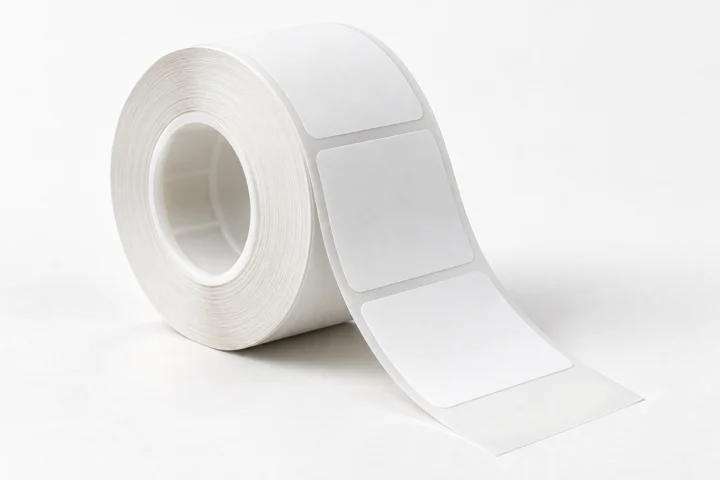
Die-cut rolls for printing and application.
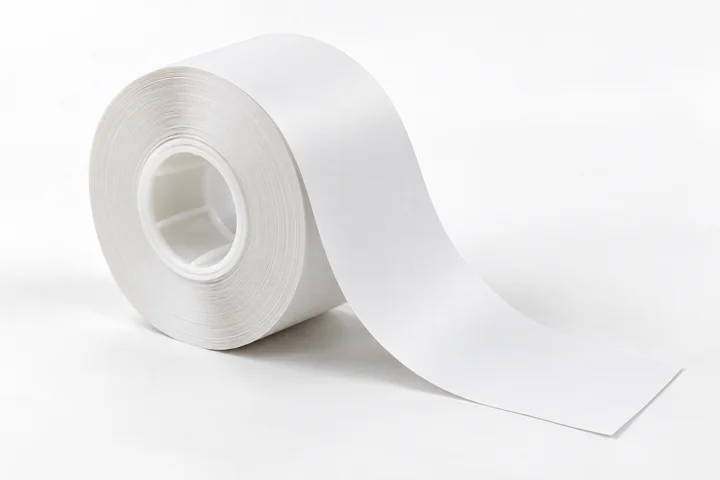
Continuous material for compatible printers.
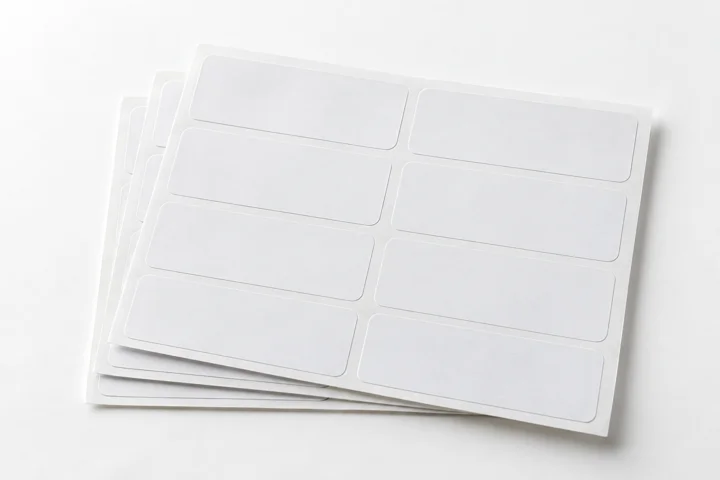
Sheeted labels for manual use.
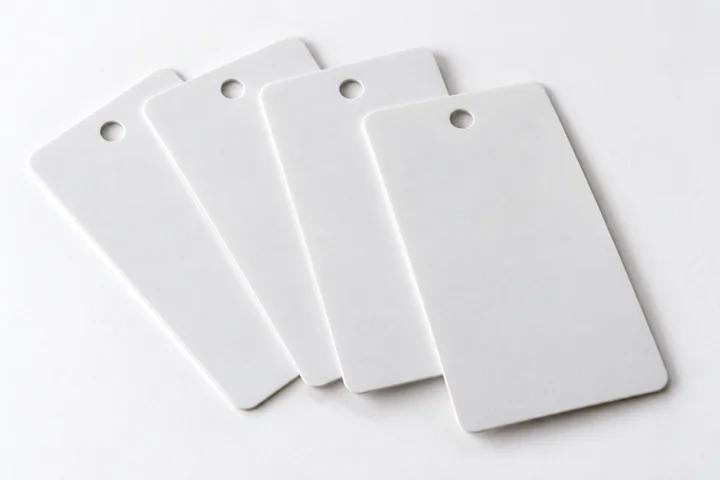
When adhesive labels are not preferred.
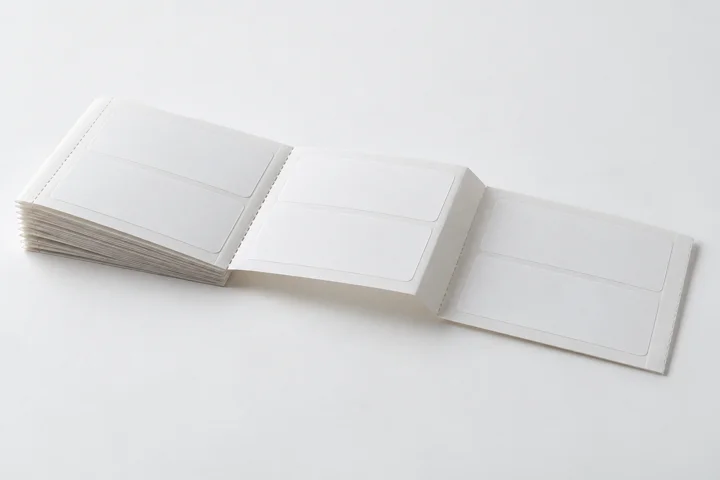
Folded media for compatible equipment.
An existing label lost legibility during IPA cleaning. To protect identification, the customer had to clean the vessels before applying the labels, then perform a gentler wipe afterward.
CleanMark evaluated candidate constructions and print treatments, developing a direct-thermal cleanroom label qualified for the customer’s label-first, then-clean workflow. This documented example shows why print durability and process sequence matter alongside adhesion.
Printed information had to remain usable after the intended cleaning step.
The construction had to support labeling before cleaning, rather than requiring an extra step.
The print treatment and label construction were considered together.
If cleaning is removing identification, labels are lifting, or a new process introduces unfamiliar chemical exposure, talk through your application with our team. We’ll help clarify the requirements and identify a practical next step.
We start with your process, help identify suitable constructions, and support evaluation against the conditions that matter.
Capture the chemical, concentration, contact method, surface, printing system, and acceptance criteria.
Identify candidate label constructions and a practical evaluation plan.
Test the printed label on the intended surface through representative exposure and handling.
Finalize the approved specification, format, and production requirements for ongoing supply.
Tell us what the label contacts and what must remain readable. Share only what you know—we can help clarify the rest.
Just your name and email to get started.
Practical answers about cleaning, solvents, printing, application, and qualification.
No. Suitability depends on the specific agent, concentration, contact method, temperature, duration, and finished label construction. A successful result with one chemical does not establish resistance to every other exposure.
Suitable constructions can be selected for evaluation. Share the exact cleaner and concentration, wiping material, frequency, and time between label application and cleaning. Assess both adhesion and print readability.
Wiping adds friction, splashing can leave chemical residue on the label, and immersion increases contact duration. Each exposure can affect print, facestock, and adhesive differently.
They can, but adhesion alone does not establish barcode durability. Test the intended printing method, barcode quality, and scanning after the actual exposure sequence.
Potentially. Provide the full sequence and severity of exposures. Testing one condition independently may miss interactions between cleaning, heat, rubbing, and storage.
Yes, candidate constructions can be specified around those surfaces. Material, texture, curvature, cleanliness, and application temperature affect initial and long-term adhesion.
We consider thermal-transfer, direct-thermal, laser, inkjet, and other compatible printing methods alongside label dimensions, liner, roll configuration, and applicator requirements.
These are separate requirements. Chemical resistance does not automatically establish cleanroom compatibility, sterile supply, or sterilization resistance. We review each requirement together.
Apply and print on the intended surface using your process. Reproduce concentration, contact time, cleaning frequency, drying or rinsing, and handling; then check adhesion, text legibility, and barcode scanning.
Yes. Samples or prototypes can support application-specific testing before finalizing a construction and approved specification. You do not need a complete specification to begin the discussion.

