












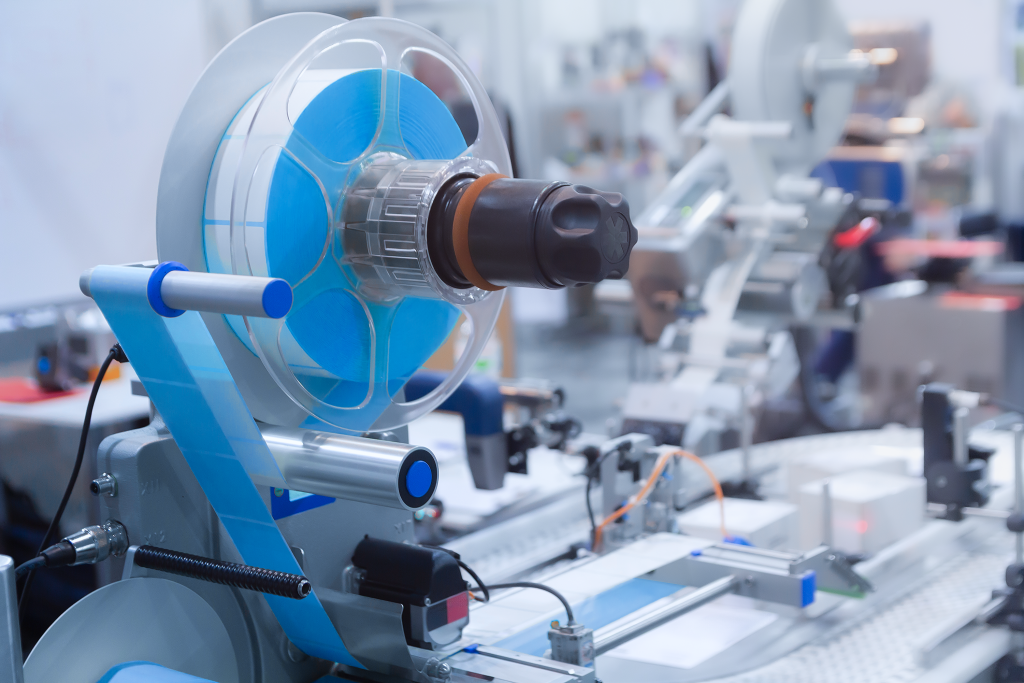
Schedule a consultation
Start with what the label needs to accomplish.
We’ll bring the application experience to help determine the right construction and make the project easier to test, approve, and implement.
You don’t need complete specifications to get started.
Share what you know. We’ll help work through the rest.
Best for: existing label performance problems, new products or processes, and applications where several requirements need to work together.
Speak with a CleanMark engineer.
Enter your details, then choose a time that works for you.
Need an NDA before discussing your application? Let us know.
A clearer direction for your label project.
Work with a CleanMark engineer to understand your requirements, explore suitable options, and decide what to evaluate next.
What does your label need to do?
Talk through where your label will be used, what it will encounter, and how it needs to perform. We’ll help identify requirements you may not have considered.
Which options make sense?
Understand which materials, adhesives, and printing options are worth considering—and the trade-offs that matter for your application.
What should you do next?
Agree on a practical next step, such as evaluating samples, testing a prototype, or reviewing a specific requirement with your team.
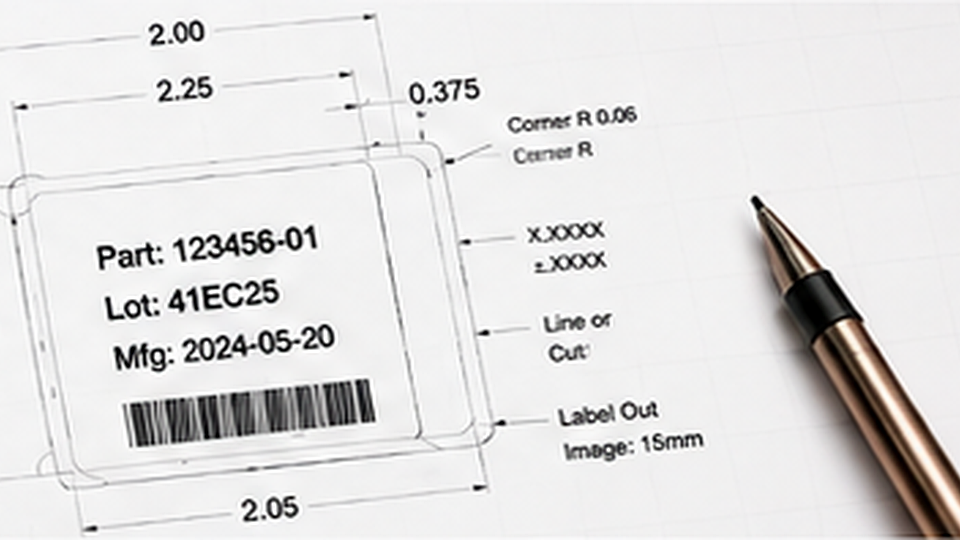
Help your label perform where it matters.
Your specification gives us a starting point. We’ll also talk through how your label is printed, applied, and used to identify conditions that could affect its performance.
That might mean a hard-to-bond surface, repeated cleaning, sterilization, or a barcode that needs to remain readable throughout storage and handling.
We’ll help you identify what to account for—and what to test—before you commit to a label construction.
Put our experience to work on your label challenge.
Across decades of label projects, we’ve learned where problems can arise—from adhesives that struggle with a particular surface to printed information that doesn’t survive the process.
We’ll use those lessons to ask better questions, explain the trade-offs, and help you focus on options that fit your application.
Build on what’s already been learned, with testing focused on what’s different about your application.
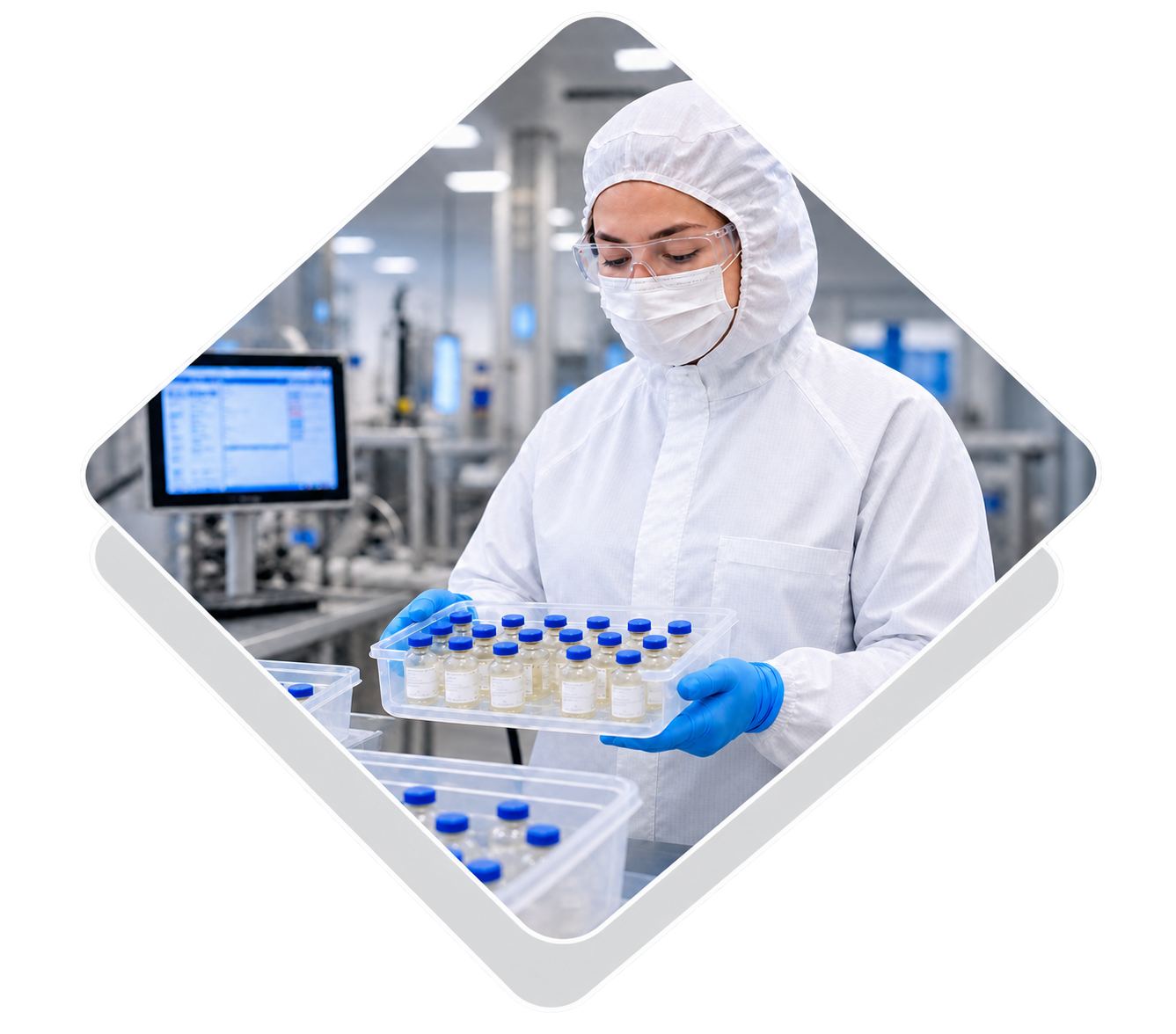
We help carry the project forward.
Getting to the right construction is only part of the work.
We help make the path from requirement to evaluation, approval, and production easier to navigate.
Real project. Real impact.
Experience can help identify problems before they become expensive iterations.
A demanding label application may look straightforward on paper until the label encounters the actual surface, print process, sterilization cycle, application method, handling requirements, or downstream workflow.
Bringing relevant application experience into the discussion early helps identify interactions that deserve attention before qualification and focus evaluation on the most promising path.
A small issue identified early can prevent additional prototype rounds, unfocused testing, rework, and implementation delays later.
Common questions
Do I need complete label specifications?
No. Start with what the label needs to accomplish. If you already know the dimensions, materials, print method, environmental requirements, or other details, share them during the conversation. If you don’t, we can help work through the relevant variables with you.
What should I have ready for the consultation?
No preparation is required. Whatever you already know is enough to start. Photos, drawings, existing labels, printer information, specifications, or samples can be helpful, but don’t spend time assembling anything just for the meeting.
Can CleanMark help with samples and testing?
Yes. Depending on the application, we can provide samples or prototypes and help determine what should be evaluated. Your team remains responsible for its qualification and approval requirements.
What happens after the consultation?
We’ll agree on the most practical next step. That may involve gathering additional information, evaluating samples, developing a prototype, focusing testing around specific requirements, or moving the project toward production.

