Continuous heat
Sustained temperatures can affect adhesion, materials, and printed information over time.










When heat is part of your process, labels still need to stay attached and readable. CleanMark helps specify a construction around your temperature profile, surface, printing system, and the conditions before and after heating.
Get a label recommendation Reply within one business day
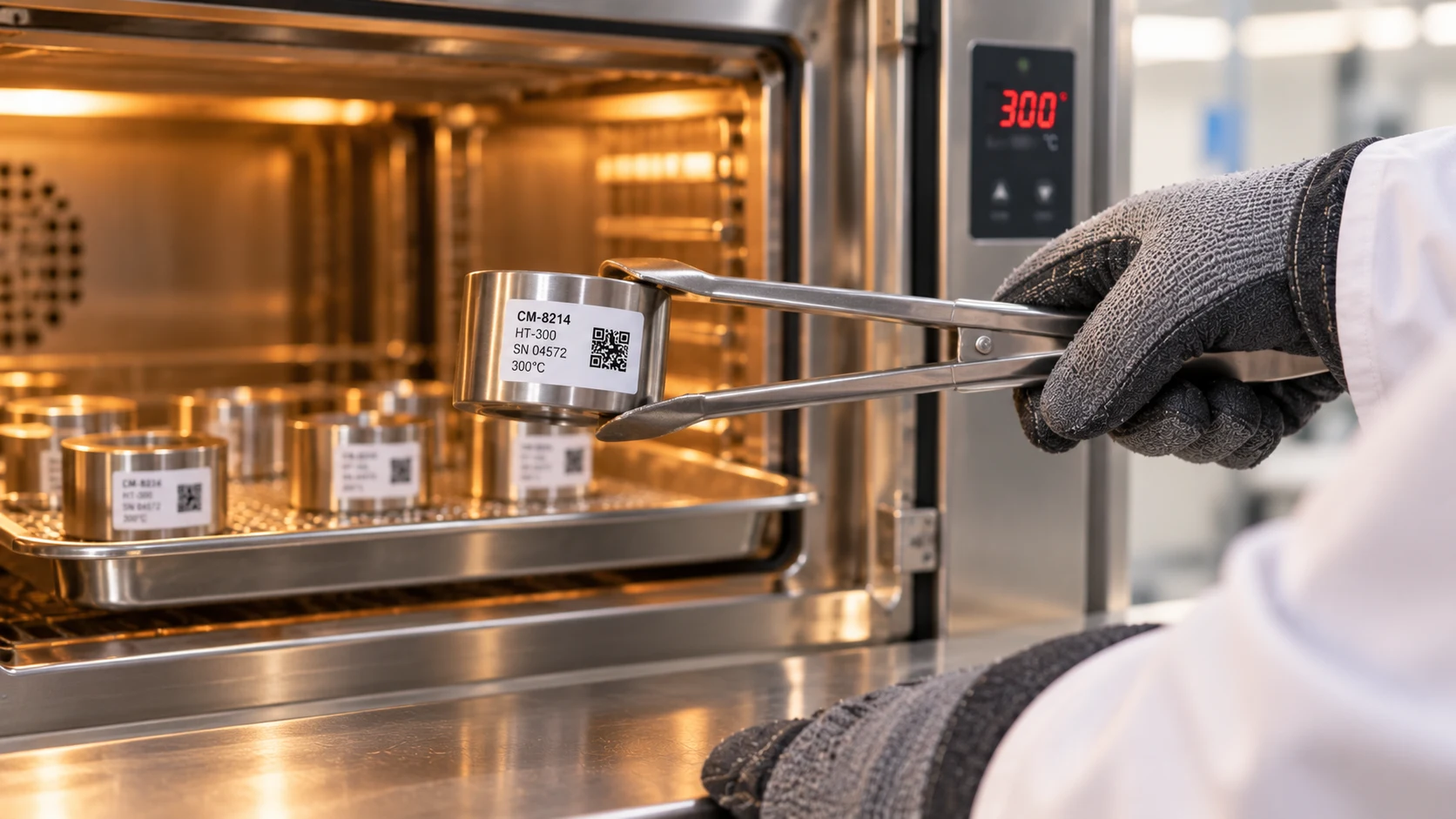
Temperature alone does not define performance. Duration, application conditions, cleaning, and handling all influence the right construction.
Sustained temperatures can affect adhesion, materials, and printed information over time.
A brief process peak can require a different construction from hours of continuous heat.
Repeated temperature changes can challenge adhesion and material integrity.
Moisture, pressure, and cleaning chemistry add demands beyond dry heat.
Labels may need to survive abrasion, scanning, or clean removal after processing.
A label applied to a cool, dry part before heating can behave differently from one applied directly to a hot surface. The sequence matters.
Allow the adhesive to establish its bond before the part encounters the process temperature.
Surface temperature, material, cleanliness, and application pressure influence initial adhesion.
If a part or carrier is reused, define when and how the label must release and whether residue is acceptable.
Identification has to work in the environments and workflows surrounding the heating process.
Maintain identification on metal parts through heating, handling, and downstream assembly.
Identify containers and reusable carriers while accounting for heat, cleaning, and removal.
Support lot traceability, inspection, and scanning throughout production.
A temperature rating is only the beginning. Your label must stay on the intended surface, preserve information, fit your equipment, and arrive ready for production.
We consider surface material, application temperature, heating conditions, and whether the label is permanent or temporary.
Text, barcodes, and lot details need to remain usable after heat exposure, cleaning, and handling.
We consider compatible print methods, dispensing, and applicator requirements alongside heat performance.
Rolls, sheets, continuous material, tags, and fanfold formats can be configured to suit your process.
Dimensions, liners, packaging, and supply format are specified around your equipment and operating environment.
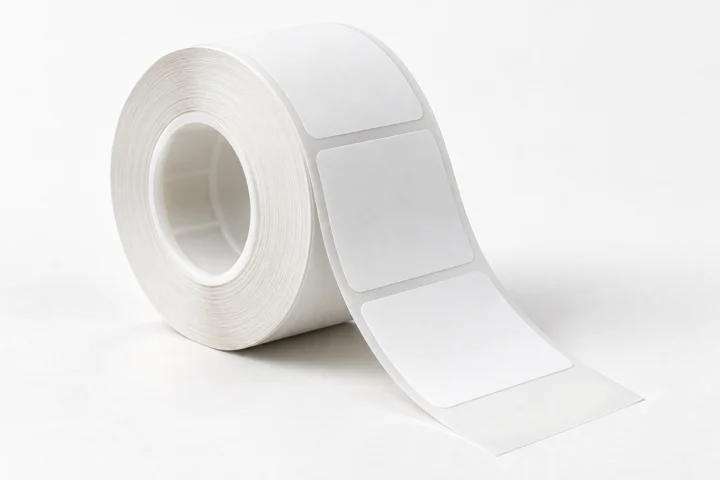
Die-cut rolls for printing and application.
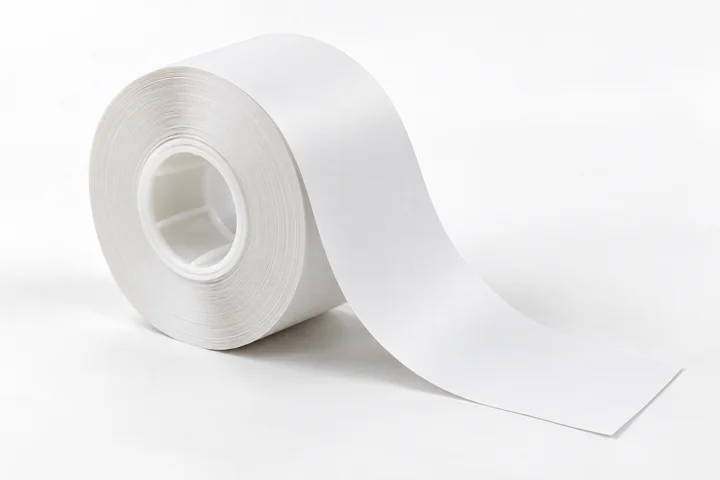
Continuous material for compatible printers.
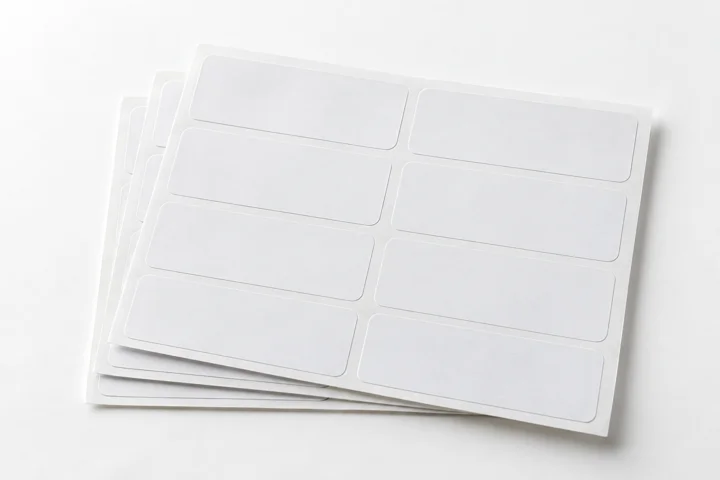
Sheeted labels for manual use.
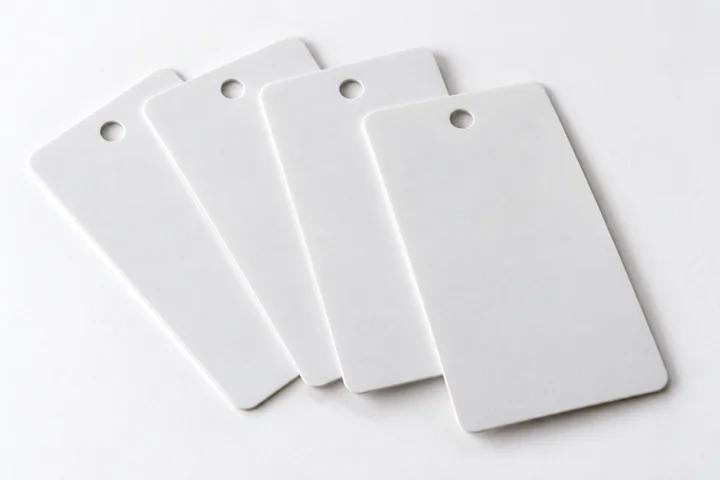
When adhesive labels are not preferred.
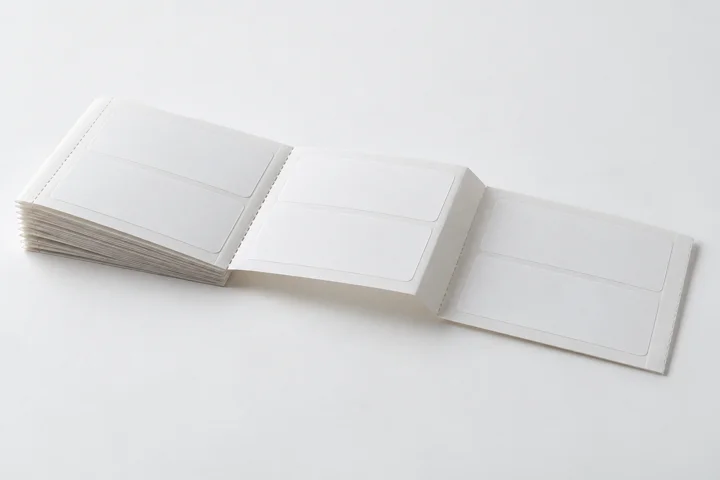
Folded media for compatible equipment.
A global industrial manufacturer needed identification on metal containers through manufacturing, worldwide shipping, outdoor storage, and field use.
CleanMark worked with engineering, quality, and manufacturing teams to evaluate the complete application—not only the heat exposure—to support a standardized specification across sites.
Surface compatibility and temperatures during application and use.
Readability through manufacturing, handling, and environmental exposure.
A repeatable specification that supports multiple manufacturing sites.
Whether your labels are lifting, leaving residue, losing readability, or facing a new heating process, our team can help clarify the requirements and identify a practical next step.
From the first conversation to the approved specification, the aim is to reduce unnecessary back-and-forth.
Establish the surface, application temperature, heat profile, printing, and other exposures.
Identify candidate materials and a suitable evaluation approach.
Test adhesion, readability, and other requirements in the intended process.
Finalize the approved specification and configure supply for ongoing use.
Share what you know about your heat-resistant application. We’ll help clarify the rest.
Just your name and email to get started.
Practical answers about application temperatures, durability, printing, and evaluation.
There is no universal temperature rating. Suitability depends on the construction, operating and peak temperatures, exposure duration, surface, and other conditions. Share your heat profile so we can identify candidate constructions for evaluation.
No. A short high-temperature process step and prolonged exposure impose different demands on materials, adhesives, and print. Time at temperature and number of cycles are important qualification inputs.
Potentially, depending on the adhesive and surface. The temperature when the label is applied must be considered separately from the temperatures it encounters afterward. Cleanliness, pressure, and bond development also matter.
Suitable constructions can be evaluated for thermal cycling. The high and low temperatures, time at each stage, and expected cycle count help define the testing.
Heat resistance alone does not establish compatibility with steam or chemicals. Include the cleaning agent, concentration, pressure, contact time, and frequency, and evaluate the complete exposure sequence.
Clean removal may be possible with a construction selected for the surface, heating profile, and removal conditions. Let us know whether the item is reused and when the label must be removed.
Readability depends on the print technology, ribbon or ink, facestock, protective construction, and exposure sequence. Where scanning is critical, evaluate printed samples using the intended equipment.
Often, yes. We review printer technology, ribbon or ink, liner, dimensions, roll configuration, and applicator requirements alongside heat performance.
They may, but these are separate requirements. Heat resistance does not automatically establish cleanroom compatibility, sterile supply, or suitability for a sterilization process.
Yes. Samples or prototypes can be evaluated on the actual surface, using your print system and representative heat, cleaning, and handling conditions before the specification is finalized.

